
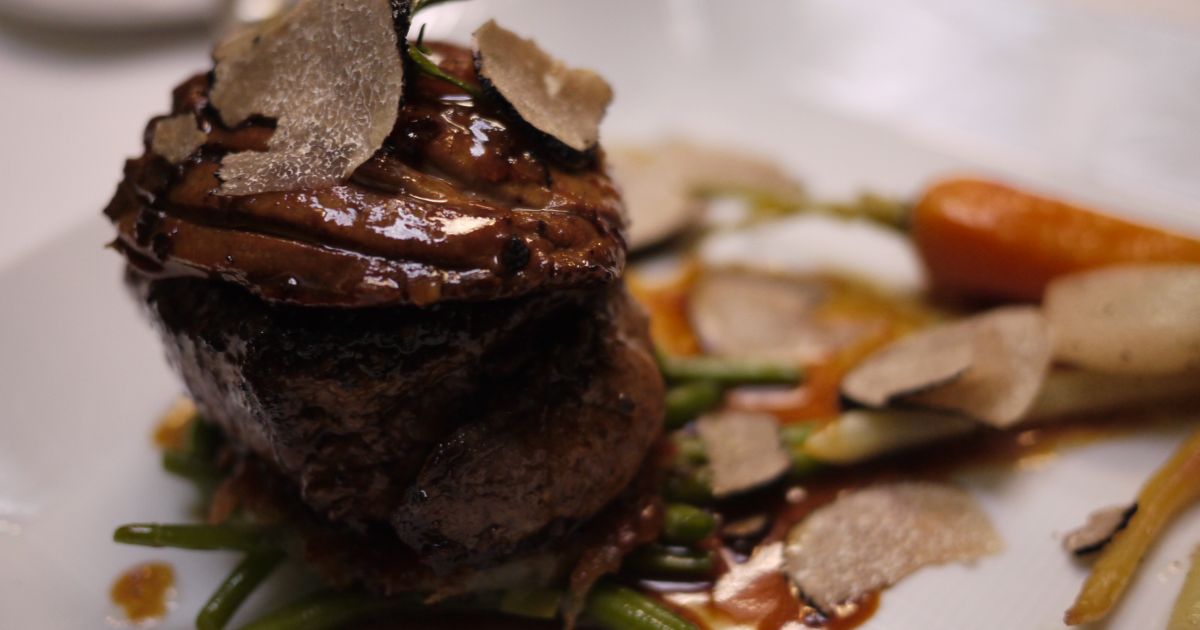
Haute cuisine represents the highest form of culinary expression, where technique, presentation, and service blend into a refined dining experience. The term comes from French, meaning “high cooking,” and has shaped global gastronomy for centuries. Dubai, a city known for luxury and innovation, has embraced haute cuisine with a distinct identity, combining Michelin-star chefs, multicultural flavors, and dramatic architectural settings.
Understanding how fine dining made its way to Dubai reveals a fascinating story of cultural exchange, economic growth, and the city’s ambition to be a global culinary capital.
The Origins of Haute Cuisine
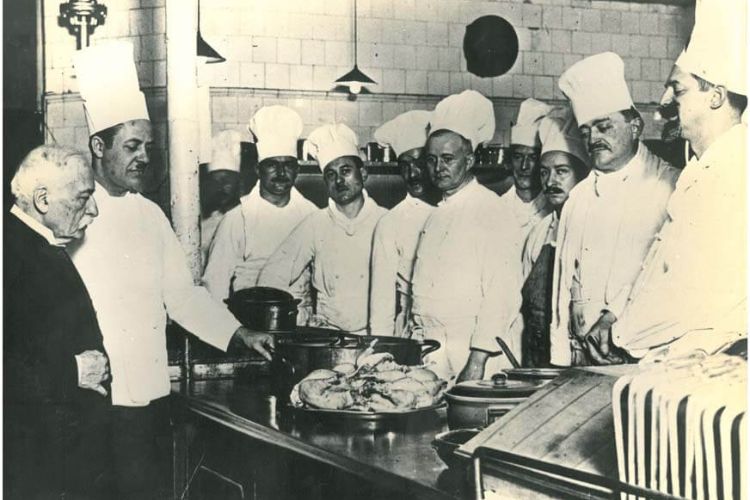
The foundation of haute cuisine lies in 17th-century France, a period when royal courts made dining an art form. Recipes were meticulously crafted, sauces were elevated to a science, and presentation mattered as much as flavor. Chefs like Marie-Antoine Carême and later Auguste Escoffier refined techniques that still define modern fine dining:
- multi-course menus
- elevated plating
- structured service
- emphasis on precise cooking methods
Haute cuisine eventually expanded beyond France, influencing culinary standards in Europe, Asia, and the Middle East. Its arrival in the Gulf region came later, closely tied to Dubai’s growing tourism and hospitality industries.
How Fine Dining Arrived in Dubai
Dubai’s transformation over the past five decades played a major role in its culinary evolution. The city was once a trading hub known for pearl diving, dates, fish, and spiced rice dishes. A major shift began during the 1970s and 1980s with economic expansion driven by oil revenues and large-scale urban development. As luxury hotels opened, international chefs were invited to introduce elevated menus to global visitors.
By the early 2000s, Dubai had become a hotspot for high-end gastronomy. Restaurants led by world-famous chefs such as Gordon Ramsay, Nobu Matsuhisa, Yannick Alléno, and Pierre Gagnaire established themselves in leading hotels. Their presence raised expectations for quality, technique, and presentation. The arrival of Michelin inspectors in 2022 further formalized Dubai’s status on the international dining map.
Today, the city hosts an exciting blend of haute cuisine, modern gastronomy, and regional fine-dining concepts that reinterpret Emirati and Middle Eastern flavors.
What Defines Haute Cuisine in Dubai?
Dubai’s version of haute cuisine follows classical principles yet incorporates its own cultural and environmental influences. Several elements characterize the city’s fine-dining identity:
1. Multicultural Fusion
Dubai has a diverse population, with residents from over 200 nationalities. Chefs blend Arabic, Indian, Japanese, French, Mediterranean, and Southeast Asian techniques into refined tasting menus. This fusion is not random, it relies on classical skills:
- precise knife work
- controlled heat
- curated ingredient pairings
- layered flavors
Restaurants like Tresind Studio, Ossiano, and 11 Woodfire showcase this diversity through modern culinary storytelling.
2. Emphasis on Quality Ingredients
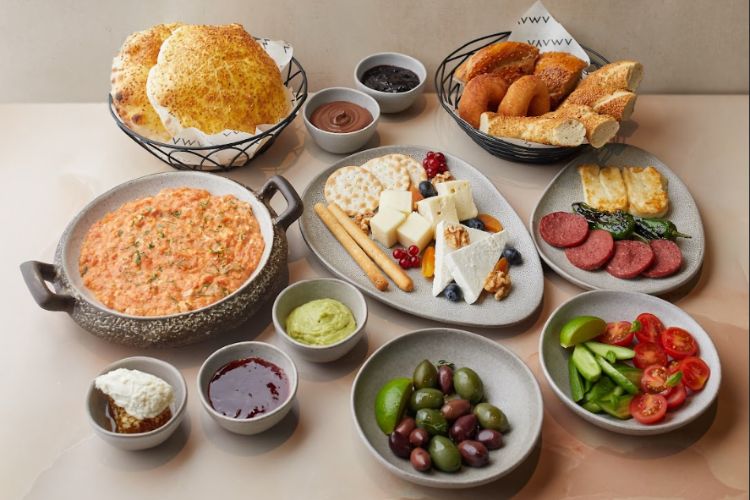
Haute cuisine depends on premium ingredients, and Dubai sources them from around the world:
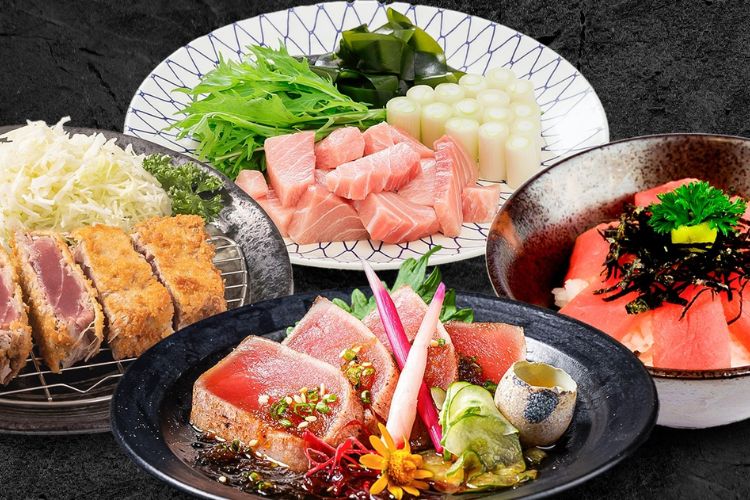
- bluefin tuna from Japan
- truffles from Italy
- saffron from Iran
- caviar from the Caspian Sea
Local ingredients also hold importance. Restaurants increasingly highlight Emirati honey, Arabian Gulf seafood, and regional spices.
3. Architectural Dining Settings
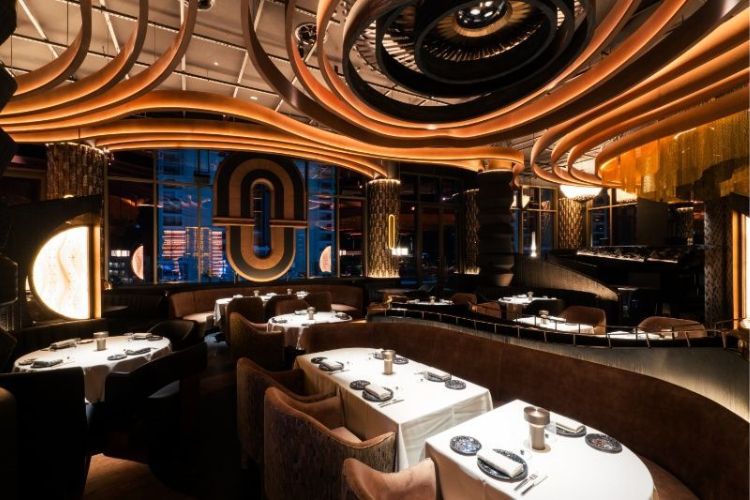
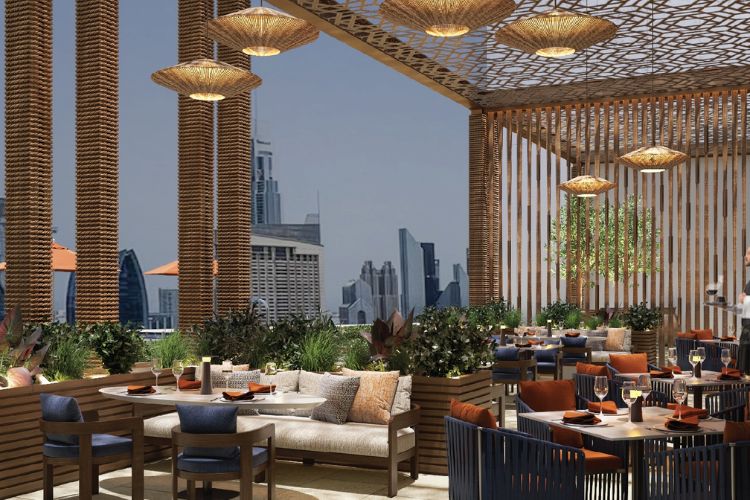
Fine dining in Dubai often merges cuisine with striking architecture. Experiences range from underwater restaurants like Ossiano to skyline views at At.mosphere in Burj Khalifa and beachside elegance at Pierchic. These environments enhance the emotional experience of haute cuisine.
4. Structured and Refined Service
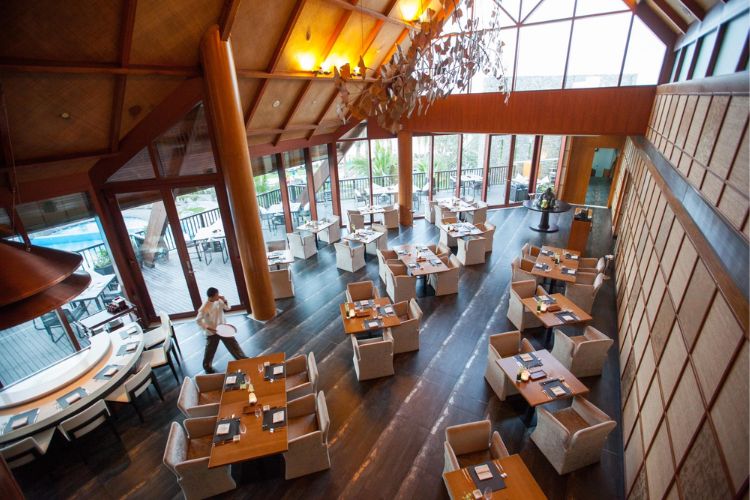
Service plays a major role. Staff are trained in:
- course sequencing
- detailed menu explanations
- wine and beverage pairing
- table-side finishing
The goal is to create an environment where guests feel guided, informed, and cared for.
Fine Dining and Emirati Culinary Heritage
Haute cuisine in Dubai has evolved to include Emirati flavors, something that adds cultural depth. Traditional Emirati dishes, once simple and hearty, are finding new expression through modern cooking:
- Harees reinterpreted as a delicate grain dish
- Luqaimat served as mini gourmet desserts
- Machboos elevated with premium saffron and seafood
- Arabic coffee paired with contemporary pastries
Restaurants such as Al Fanar, Arabian Tea House (modern casual heritage), and select fine-dining venues in luxury resorts showcase culinary storytelling rooted in the region’s history.
This fusion strengthens Dubai’s identity in the global culinary world.
Milestones in Dubai’s Fine-Dining Evolution
Dubai’s rise as a fine-dining destination includes several defining moments:
1990s: The Early Hotel Dining Scene
Luxury hotels like the Jumeirah Beach Hotel and early beach resorts introduced international culinary experiences. These restaurants catered mostly to global travelers.
2000s: Celebrity Chefs and Global Recognition
This decade saw Dubai welcome high-profile culinary leaders. Fine-dining standards improved significantly, creating competition and driving innovation.
2010s: Homegrown Modern Gastronomy
Local chefs started developing their own elevated concepts. Tasting-menu restaurants and chef-driven venues became more common.
2020s: Michelin Guide Arrival
The introduction of the Michelin Guide in 2022 legitimized Dubai’s achievements. The city now hosts multiple Michelin-starred restaurants, Bib Gourmand venues, and recognized establishments across different cuisines.
How Fine Dining Reflects Dubai’s Culture and Identity
Fine dining in Dubai is not only about luxury, it’s a reflection of the city’s spirit:
- Hospitality (Ikram) is deeply rooted in Emirati culture.
- Storytelling through food helps bridge tradition and innovation.
- Diversity ensures that menus represent global influences.
- Ambition drives chefs to experiment with modern techniques and sensory experiences.
This cultural blending makes Dubai’s fine-dining landscape unique compared to traditional haute cuisine capitals.
Popular Fine Dining Experiences in Dubai
Several types of haute-cuisine experiences attract diners in Dubai:
1. Tasting Menu Experiences
Multi-course menus crafted around seasonal ingredients or themes.
Examples: Ossiano, Tresind Studio, Moonrise.
2. Modern European Fine Dining
Inspired by classical French techniques with modern flair.
Examples: STAY by Yannick Alléno, Rhodes W1 (legacy).
3. Japanese Fine Dining
Emphasis on craftsmanship, minimalism, and premium ingredients.
Examples: Nobu, Zuma (modern contemporary but elevated).
4. Underwater and Skyline Dining
Architecturally immersive concepts that combine culinary artistry with dramatic visuals.
5. Emirati-Inspired Modern Cuisine
A growing category that blends local ingredients with modern techniques.
Tips for Experiencing Fine Dining in Dubai
A thoughtful approach enhances the overall experience:
- Reserve early, especially for Michelin-star restaurants.
- Check dress codes, as most fine-dining venues expect smart or elegant attire.
- Note seasonal menus, since ingredients change throughout the year.
- Ask about wine or beverage pairings for an elevated journey.
- Consider lunch menus for more budget-friendly tasting options.
- Inform the restaurant of dietary preferences in advance.
These details ensure a smooth and enjoyable dining experience.
The Future of Haute Cuisine in Dubai
Dubai continues to shape its culinary future. Sustainability, farm-to-table sourcing, and local ingredient cultivation are gaining importance. Urban farms, hydroponic suppliers, and desert agriculture projects are allowing chefs to work with locally grown greens, herbs, and vegetables.
The next phase may include:
- stronger focus on Emirati gastronomic identity
- increased recognition from global food awards
- collaborations between international and local chefs
Dubai is steadily evolving from a city known for imported luxury to one recognized for culinary creativity rooted in its own culture.
Final Thoughts
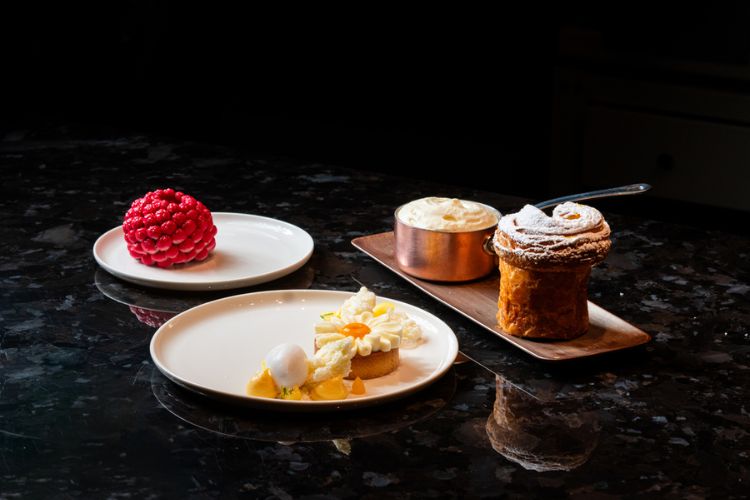
Haute cuisine represents more than refined dishes, it is a blend of artistry, culture, history, and hospitality. Dubai’s fine-dining scene stands out because it connects classical culinary principles with modern innovation and regional identity. The city’s multicultural population, luxurious settings, and growing gastronomic ambition make it an exciting place to explore the world of refined dining.
Whether exploring a Michelin-star tasting menu or discovering modern interpretations of Emirati dishes, diners experience a culinary landscape shaped by skill, passion, and global influence.