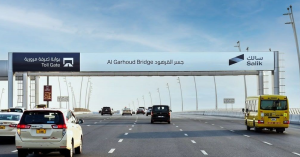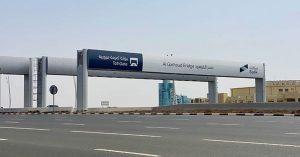
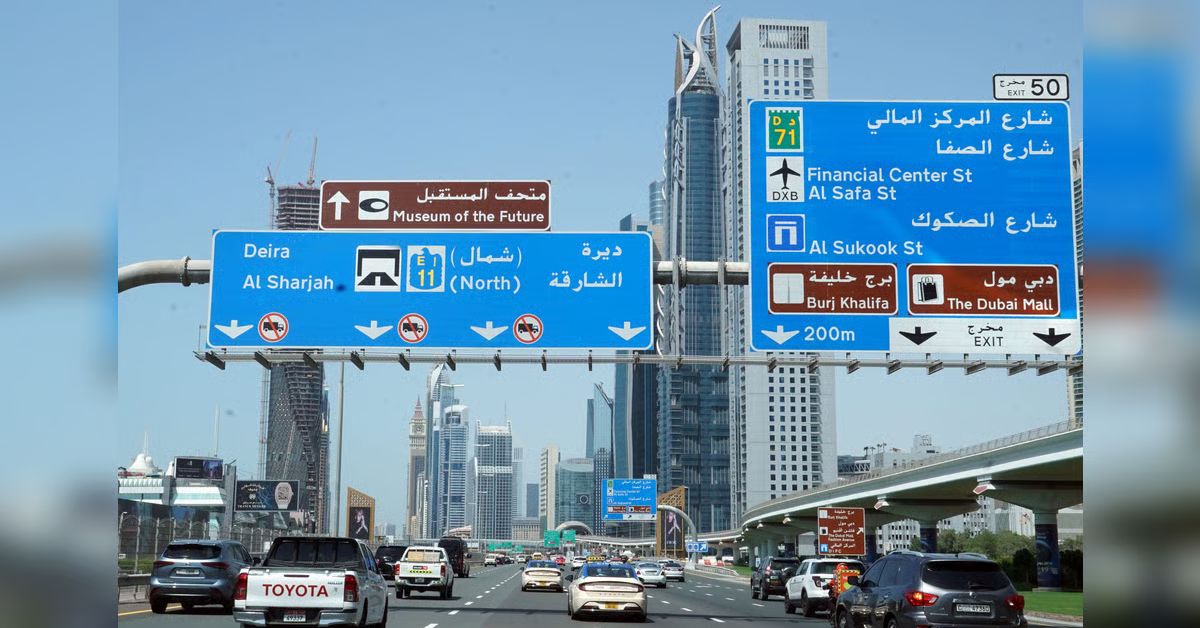
Driving in Dubai feels straightforward at first. Roads are wide, signage is modern, and almost everything is written in English. But many tourists quickly realise that Dubai road signs include warnings and rules that don’t exist in international driving courses. Flash-flood alerts in desert areas, camel crossing signs, variable speed limits, and lane-specific restrictions often confuse visitors. Misreading them can lead to heavy fines or dangerous situations.
This Dubai road signs guide focuses on UAE-specific signs and road markings that tourists commonly misunderstand, helping you drive safely and confidently.
Are Road Signs in Dubai in English?
Yes. UAE road signs are bilingual, displayed in Arabic and English, and generally follow international symbols. Standard signs like stop, yield, speed limit, no entry, and pedestrian crossings are easy to understand for most drivers.
Where tourists struggle is not the language, but the local driving rules behind certain signs. Some signs look familiar but are enforced differently in the UAE, while others warn about hazards unique to the region.
Variable Speed Limit Signs in Dubai
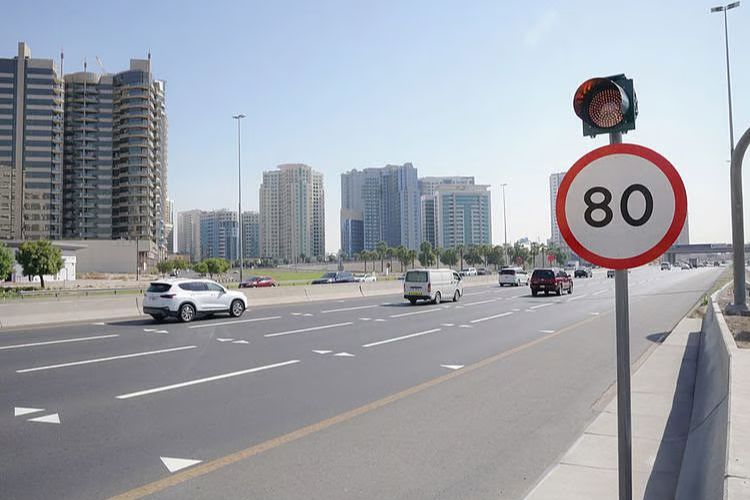
Variable-speed limit signs are among the most common reasons tourists receive fines.
These are electronic boards placed above or beside major highways showing speed limits that change based on traffic flow, weather conditions, fog, or accidents. The displayed speed is legally binding and enforced by real-time speed cameras.
Many tourists assume the default speed limit still applies, especially if navigation apps show a higher limit. In Dubai, that assumption leads directly to speeding fines. If the sign shows 80 km/h and you drive at 100 km/h, the system automatically records a violation.
This is especially common on Sheikh Zayed Road, Al Khail Road, and highways near fog-prone or mountain areas.
Flash Flood and Wadi Crossing Warning Signs
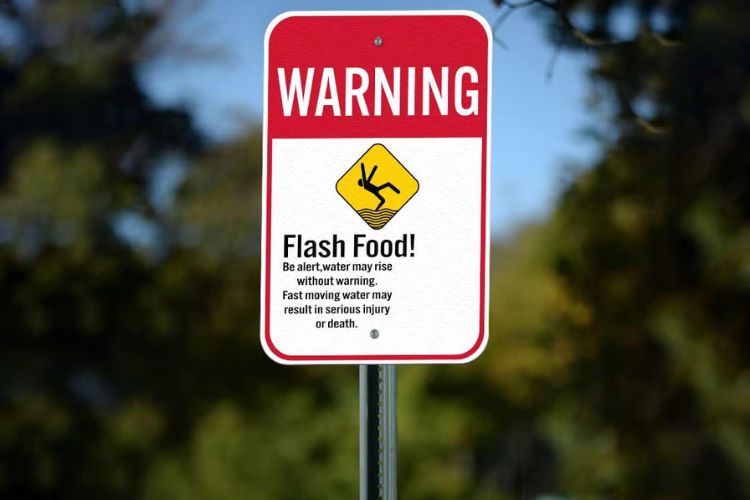
Flash-flood warning signs are another UAE-specific feature that tourists often underestimate.
These triangular warning signs indicate areas where wadi flooding can occur. Even if it is not raining where you are driving, rainfall in nearby mountains can cause sudden water flow across roads.
Tourists sometimes ignore these signs because the road looks dry or because other vehicles are crossing. This is extremely dangerous. Driving through flowing water can sweep vehicles away, damage engines, and invalidate rental insurance.
If you see a flash-flood or water-crossing warning sign, never attempt to cross standing or moving water.
Camel Crossing Signs and Desert Warnings
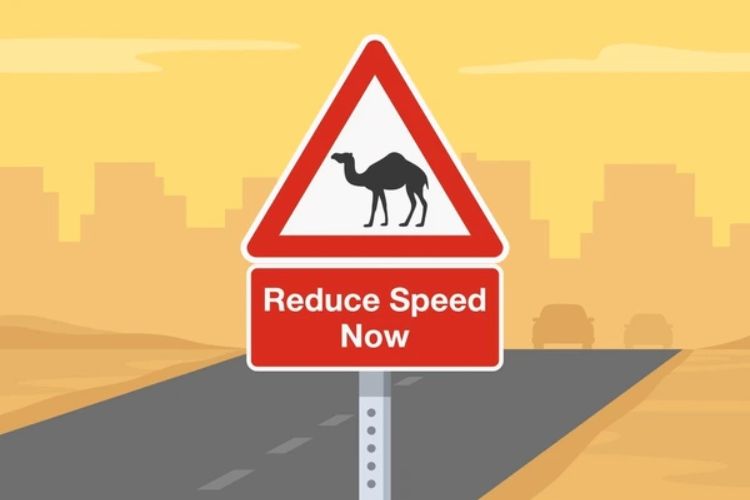
Camel crossing signs are not cultural symbols or decorative warnings. They indicate areas where camels regularly cross roads, especially at night and early morning.
Camels are large, dark, and slow-moving, making them difficult to spot at speed. Collisions often cause severe damage and serious injuries.
These signs are common on desert highways and roads connecting different emirates. When you see one, reduce speed and stay alert, even if the road looks empty.
Lane-Specific Direction Signs and Road Discipline
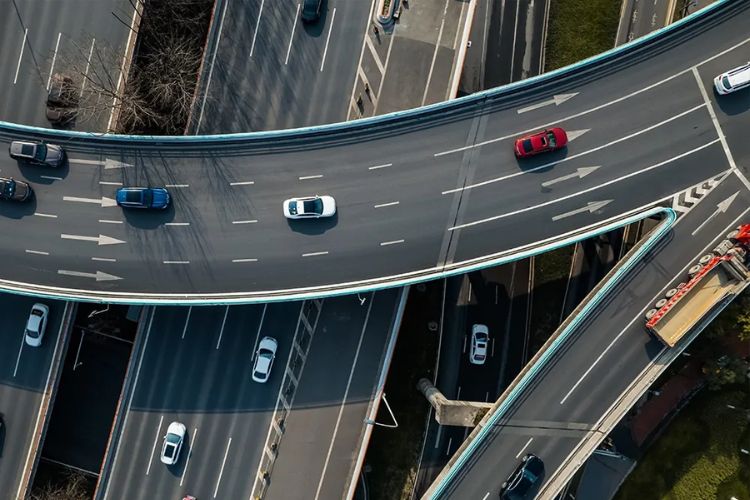
Lane-specific direction signs are strictly enforced in Dubai, and understanding them is a key part of any Dubai road signs guide.
Overhead signs show exactly which lane must turn left, go straight, or exit. Once you are in a lane, you are legally required to follow that direction. Changing lanes at the last second or crossing solid lines to avoid missing an exit are common tourist mistakes and frequent causes of fines.
If you miss a turn, continue safely and reroute. Sudden corrections are dangerous and closely monitored by cameras.
Road Markings in the UAE You Must Obey
Road markings in the UAE are not guidelines; they are enforceable traffic rules.
Solid white lines must not be crossed and are commonly used near exits, intersections, and bridges. Solid yellow lines indicate no overtaking, particularly on single-lane desert and mountain roads. Broken white lines allow lane changes when safe.
Many tourists assume that markings are flexible, as they are in some countries. In Dubai, crossing a solid line can result in an automatic fine.
Temporary Orange Signs (Construction = Law)
Orange or yellow signs indicate temporary road rules due to construction.
Tourists often ignore them, assuming they’re advisory. They are not.
- Fines are issued the same way as permanent signs
- Temporary speed limits apply
- Lane closures are enforced
Why Dubai road signs guide is Important
Dubai relies heavily on:
- Smart cameras
- Automatic enforcement
- AI-based traffic monitoring
There is no grace period for tourists. Rental cars are tracked by plate number, and fines are billed directly to the renter, with added administrative fees. It’s important to review safety tips for Dubai before visiting.
Final Thoughts
Dubai’s road system is modern, well-designed, and clearly marked, but only if you understand how UAE-specific signs work. Variable speed limits, flash-flood warnings, camel crossings, lane-specific restrictions, and strict road markings are in place due to real environmental and traffic risks unique to the region.
For tourists, the biggest mistake is assuming international driving rules apply the same way. They don’t. Learning how to read Dubai road signs, UAE road signs in English, and road markings in the UAE can help you avoid fines, accidents, and unnecessary stress.
If you plan to rent a car in Dubai, taking a few minutes to understand these signs can make your driving experience safer and far more predictable.