
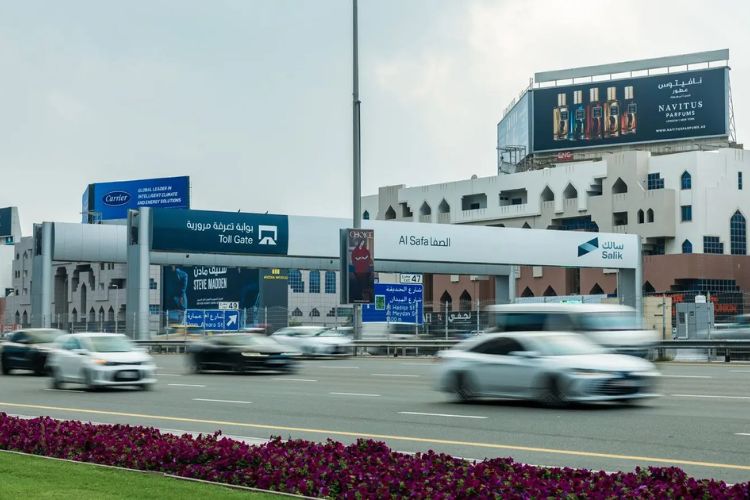
Dubai updates its traffic rules more frequently than most cities in the world. The Roads and Transport Authority (RTA) regularly introduces new regulations to manage one of the fastest-growing urban road networks in the region. In late 2025, a fresh wave of updates came into effect, bringing changes that affect delivery riders, all highway drivers, and anyone unfamiliar with the consequences of a wrong-way entry.
Whether you are a resident, a new arrival, or a tourist renting a car, this guide covers everything you need to know about road restrictions and lane rules in Dubai in 2026.
How Road Restriction Zones Work in Dubai
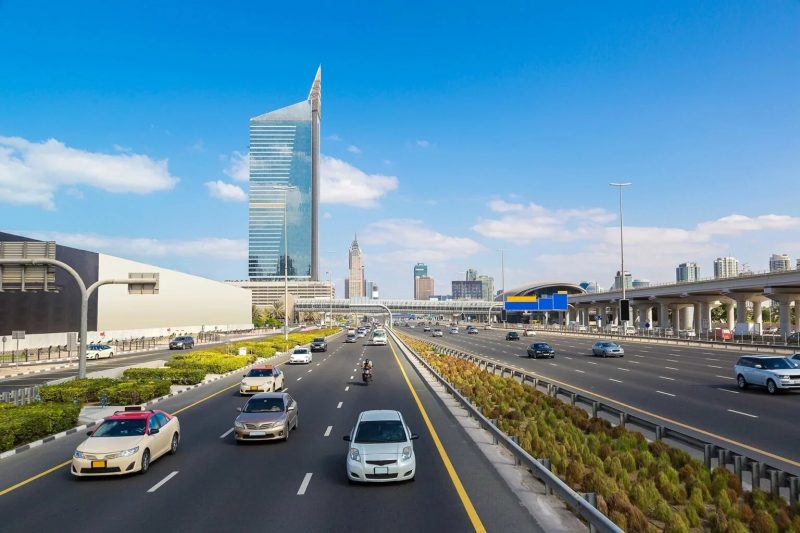
The RTA holds full authority over road classifications, lane designations, speed zones, and vehicle-specific rules across the emirate. Restrictions in Dubai generally fall into three categories: time-based restrictions, vehicle-type restrictions, and lane-specific rules.
Dubai roads are classified into several tiers. Major arterial highways like Sheikh Zayed Road (E11) carry the strictest rules and the most active camera enforcement. Secondary roads and local streets have their own set of limitations, which vary by district and time of day.
Understanding which category a restriction falls under is the first step to staying compliant.
Lane Rules in Dubai: A Complete Breakdown
Which Lane Should You Drive In?
The core rule on Dubai highways is simple: the left lane is for overtaking only. Once you have passed another vehicle, you are expected to return to the middle or right lane. Staying in the left lane without actively overtaking is a traffic violation and can result in a fine.
Each lane also carries a minimum speed expectation. On Sheikh Zayed Road, for example, driving significantly below the flow of traffic in the left lane is treated as an obstruction. Slower vehicles must keep right. This is not just a courtesy rule but an enforced one.
The November 2025 Update: Delivery Bikes Banned from Left Lanes
One of the most significant changes introduced in late 2025 is the ban on delivery motorcycles and bikes using the left lane on roads with five or more lanes. This applies to riders working for food delivery platforms and any courier services operating motorized two-wheelers.
The reasoning behind this rule is safety. Delivery riders, under pressure to complete orders quickly, were frequently weaving through fast-moving left-lane traffic, contributing to a disproportionate number of incidents on wide highways.
Violations of this rule carry a fine and black point deductions. Delivery companies operating fleets in Dubai are expected to communicate this rule to all their riders.
Variable Speed Zones: Rules That Change by Time of Day
Dubai operates a network of variable speed zones, particularly on its major highways. These are stretches of road where the legal speed limit changes depending on the time of day and traffic conditions. The limits are displayed on electronic overhead signs that update in real time.
During peak morning and evening hours, limits on certain roads drop to manage traffic density and reduce collision risk. Late at night or during off-peak periods, the same roads may allow higher speeds.
The most important thing to understand about variable speed zones is that the cameras adjust alongside the signs. If the sign says 80 km/h and you are doing 110 km/h, you will be fined based on the active limit at that moment, not a fixed posted limit.
To stay safe, use the Dubai Drive app or enable speed limit alerts on Waze or Google Maps. Both platforms receive updates from RTA and will notify you when a variable zone is active.

Restricted Roads in Dubai: Full List and Rules
Roads Restricted by Vehicle Type
Heavy vehicles, including trucks above a certain weight threshold, are prohibited from using several key routes during specific hours. This is particularly relevant around the Sheikh Zayed Road corridor and inner-city districts like Business Bay and DIFC, where oversized vehicles are banned entirely during daytime hours.
Delivery vehicles, separate from bikes, are also subject to time-window restrictions on certain roads. Deliveries to commercial areas in Downtown Dubai, for instance, must often be completed outside of peak traffic hours to comply with local access rules.
Motorcycles are not banned broadly, but they face the new left-lane restrictions on wide roads and are prohibited from certain pedestrian-adjacent zones.
Time-Based Road Restrictions
Several roads in Dubai operate under time-based access rules. Al Maktoum Bridge, for example, has historically had direction-specific restrictions during peak hours to ease bottleneck traffic. School zones across the city activate reduced speed limits and occasionally restrict through-traffic during morning drop-off and afternoon pick-up windows.
During large public events, concerts, or national celebrations, temporary road closures and diversions are issued with short notice. The RTA typically announces these via its official app and social media channels a day in advance.
Areas with Permanent Restrictions
Downtown Dubai, Palm Jumeirah, and DIFC all have permanent vehicle restrictions in specific sub-zones. Certain internal roads on the Palm, for instance, are residents-only or require access passes for non-residents at certain times.
Quiet zones near hospitals, mosques, and schools carry signage that restricts horn use, and in some cases, speed limits in these zones drop as low as 30 km/h and are strictly camera-enforced.
Wrong-Way Entry Penalties in Dubai 2026
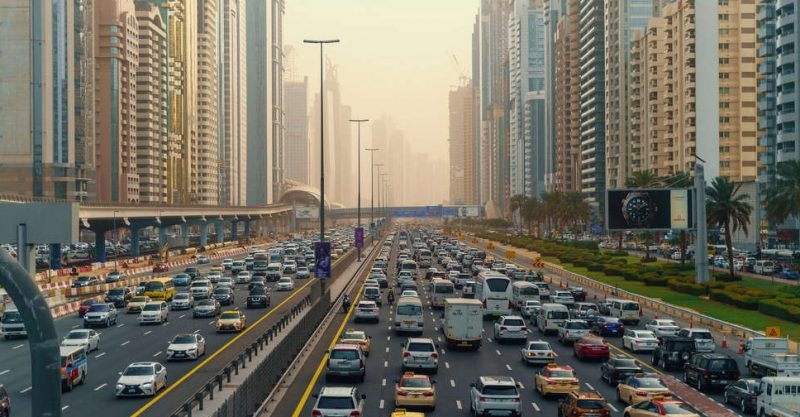
This is one of the most severe traffic violations you can commit in Dubai. Entering a road from the wrong direction, whether by missing a no-entry sign, making an illegal U-turn into oncoming traffic, or reversing onto a main road, results in the following:
- AED 1,000 fine
- 8 black points added to your license
- 7-day vehicle impoundment
To put this in context, Dubai’s license suspension threshold is 24 black points. A single wrong-way entry takes you a third of the way there. Combined with the vehicle seizure, this is a disruption that can significantly affect your daily life or travel plans.
Wrong-way violations are more common than most people expect. Tourists unfamiliar with interchange layouts, drivers following GPS instructions blindly, and people attempting shortcuts through service roads are among the most frequent offenders.
If you receive this fine, the process for paying it is straightforward. You can settle traffic fines through the RTA app, Dubai Police app, or at any approved payment center. For a step-by-step guide, see our article on how to pay traffic fines in Dubai.
How to Stay Updated on Dubai Road Restrictions
The RTA provides several official channels for staying informed:
The Dubai Drive app is the most comprehensive tool. It shows active restrictions, speed zone changes, and can be linked to your vehicle for fine tracking.
Waze and Google Maps both integrate with RTA data feeds and will alert you to speed limit changes, road closures, and camera locations as you drive.
The RTA also maintains active accounts on X (formerly Twitter) and Instagram where urgent traffic updates are posted in both Arabic and English. For major incidents or planned closures, SMS alerts are sent to registered phone numbers.
Making a habit of checking one of these sources before long drives, particularly if you are heading into central Dubai during peak hours, will save you significant trouble.
Tips for Tourists and New Residents
If you hold an international driving license, you can drive in Dubai without converting it for a limited period, but the same traffic rules apply to you from day one. Ignorance of local rules is not accepted as a defense in traffic court.
Set your GPS app to display speed limits and enable camera alerts before you start driving. Most rental car companies do not provide this kind of guidance, and their vehicles are not automatically configured for it.
One important note on rental cars: if you receive a traffic fine while driving a rental vehicle, the fine is typically passed on to you by the rental company, often with an administrative fee added on top. This can arrive weeks after your trip. Make sure you understand the rental company’s fine-handling policy before signing the agreement.
Beyond lane and restriction rules, remember that using a handheld phone while driving carries a AED 800 fine and 4 black points. Tailgating, aggressive overtaking, and jumping red lights all carry severe penalties as well. Dubai takes road safety enforcement seriously, and cameras are present on virtually every major road.
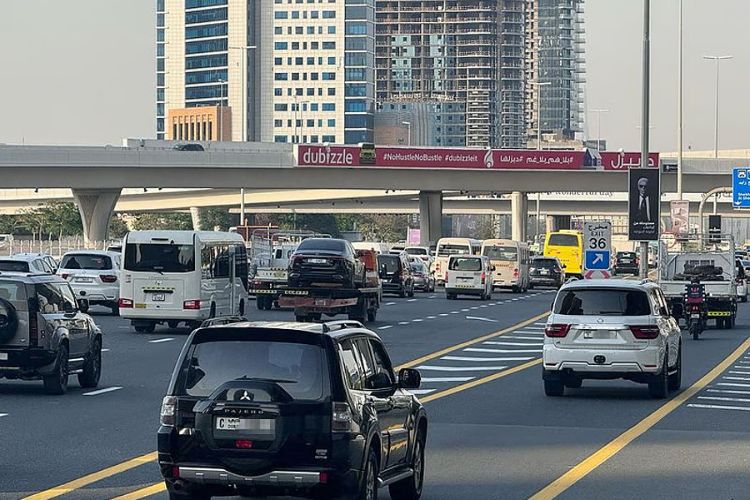
Dubai’s road rules are detailed, consistently enforced, and updated regularly. The November 2025 changes, particularly the delivery bike lane ban and the continued strict penalties for wrong-way entry, reflect the city’s ongoing effort to reduce accidents on increasingly busy roads.
The three things every driver in Dubai should have memorized in 2026: delivery bikes cannot use the left lane on wide roads, speed limits in variable zones are real and enforced in real time, and entering a road the wrong way will cost you AED 1,000, 8 black points, and your car for a week.
If you have received a traffic fine and need help navigating the payment process, read our guide on how to pay traffic fines in Dubai for a full step-by-step breakdown.
Are there restricted roads in Dubai for motorcycles and delivery bikes?
Yes. Since November 2025, delivery bikes are banned from using the left lane on roads with five or more lanes. Additional restrictions apply to motorcycles near pedestrian zones and certain residential areas.
What happens if you enter a road the wrong way in Dubai?
You will receive a AED 1,000 fine, 8 black points on your license, and your vehicle will be impounded for 7 days.
What are variable speed zones in Dubai?
These are sections of road where the speed limit changes based on the time of day and traffic conditions. The current limit is displayed on electronic overhead signs and is actively enforced by cameras that update alongside the signs.
Which lane should I drive in on Dubai highways?
Use the right or middle lane for normal driving. The left lane is for overtaking only. Once you have passed another vehicle, move back to the right.
Can tourists drive on all roads in Dubai?
Generally yes, but vehicle-type restrictions and time-based rules still apply. Some areas like the Palm Jumeirah and Downtown Dubai have access limitations. Checking the Dubai Drive app or RTA website before driving in unfamiliar areas is recommended.
How do I check if a road is restricted before driving?
Use the Dubai Drive app, Waze, or the RTA website. For time-sensitive or event-related closures, follow the RTA on social media.
How many black points lead to license suspension in Dubai?
24 black points result in license suspension. A wrong-way entry alone adds 8 points, which is one-third of the suspension threshold from a single violation.
Are there lane rules specific to Sheikh Zayed Road?
Yes. Sheikh Zayed Road has some of the strictest lane discipline requirements in the city. Minimum speed expectations apply, left-lane camping is enforced, and variable speed zones are active on multiple sections of this highway.