Navigating Dubai’s road network as a visitor or resident is generally easy, until you unintentionally drive through a toll gate and see a Salik charge appear on your account. Tourists and first-time drivers may not realise how the system works, how much it costs, or where these tolls are located.
Since January 31, 2026, Salik has introduced variable toll pricing based on the time of day, making it even more important for anyone planning to drive in the emirate to understand the system.
This guide explains everything you need to know about salik dubai guide, including Salik toll locations, Salik charges, and how Salik works in Dubai, so you can avoid surprises on your rental car bill or daily commute.
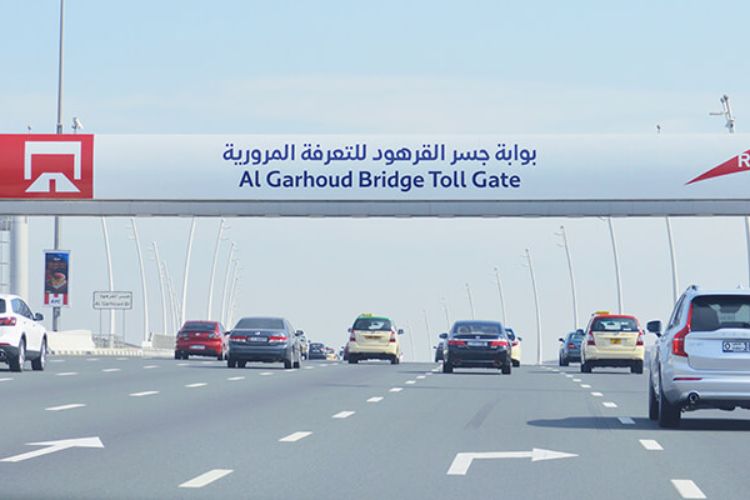
What is Salik, and why does it exist
Salik is an electronic toll collection system in Dubai, introduced in 2007 to manage traffic congestion and promote smoother flow on major highways. Unlike traditional toll booths, Salik uses RFID technology: a small tag attached to your vehicle’s windscreen is read automatically as you pass through a toll gate, and the corresponding amount is deducted from your prepaid account. There are no barriers and no stopping required.
This system was implemented to reduce traffic delays on busy routes such as Sheikh Zayed Road, encourage drivers to use alternative routes, and help fund road infrastructure and maintenance.
How Salik Works in Dubai
To use the Salik toll system, your vehicle must have a registered Salik tag and sufficient balance in your Salik account:
- Buy a Salik tag (usually AED 100, with AED 50 preloaded credit).
- Register and activate the tag through the official Salik website, app, or SMS service.
- Install the tag as instructed on your windscreen.
- Maintain sufficient balance so toll charges are deducted automatically when you pass under a gate.
Each time you pass a toll gate, the RFID tag is scanned, and the toll fee is automatically deducted from your account. You do not manually slow down, stop, or scan anything. If you don’t have enough balance, fines may apply.
Because the system is automated, many tourists pass Salik gates without seeing the signs until the charge appears, making this guide essential for anyone driving in Dubai.
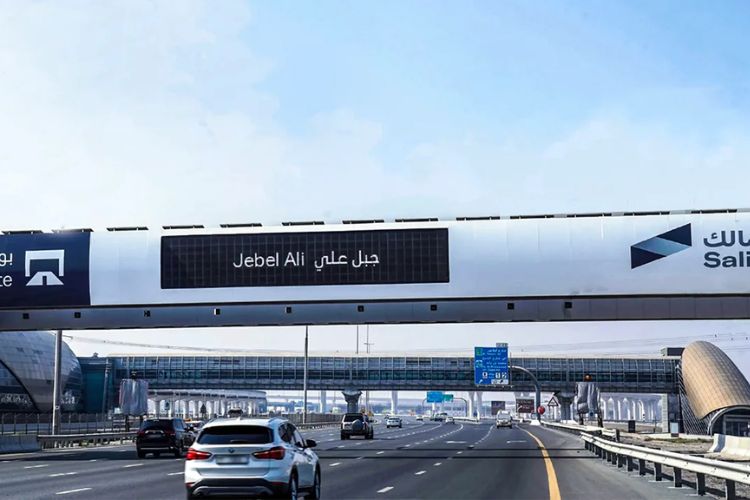
Salik Toll Pricing (2026 and Beyond)
Until January 2026, Salik charges a flat fee of AED 4 per crossing, but recent changes introduced variable toll pricing to better manage peak hour congestion. Under the latest pricing:
- Free Hours: 1:00 AM – 6:00 AM daily
- Peak Hours: 6:00 AM – 10:00 AM and 4:00 PM – 8:00 PM → AED 6 per crossing
- Off-Peak Hours: 10:00 AM – 4:00 PM and 8:00 PM – 1:00 AM → AED 4 per crossing
- Sunday (excluding public holidays/special events): Flat AED 4, with free hours from 1:00 AM – 6:00 AM
During Ramadan, these timings may be adjusted to match local travel patterns (with similar free periods).
The key takeaway is that Salik charges vary by time of day, and understanding peak vs off-peak rates can help you plan trips to minimise costs.
Salik Dubai Guide: Locations
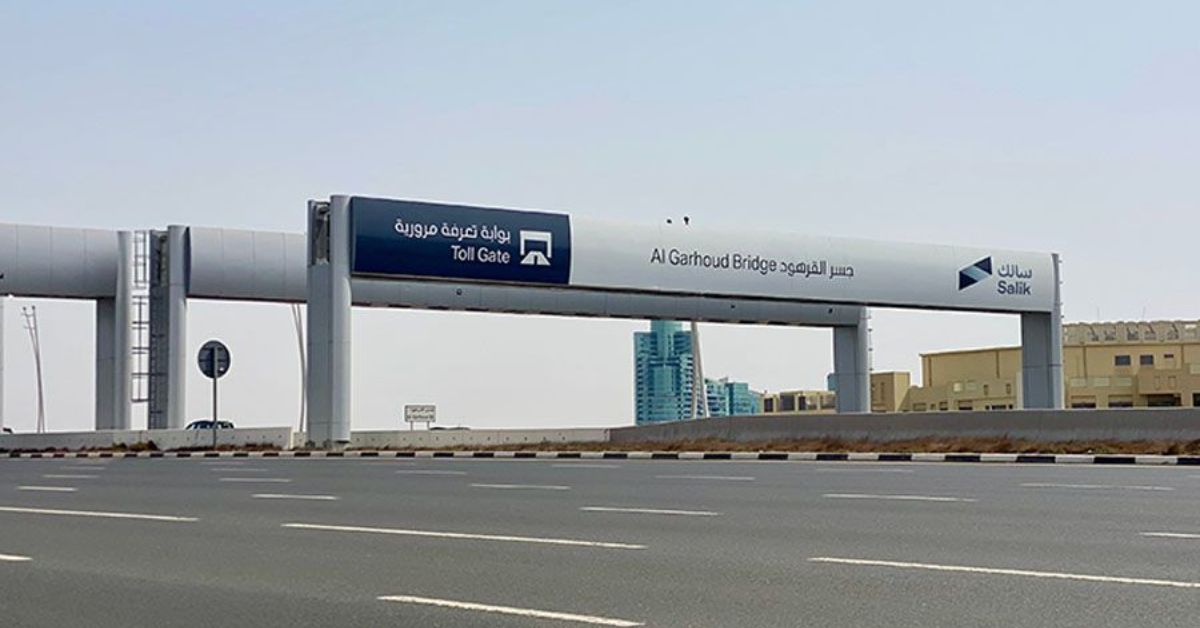
Salik gates are located at strategic points across Dubai, particularly on major highways and bridges with high traffic volumes. As of 2026, there are 10 active Salik toll gates:
- Al Barsha Toll Gate – Sheikh Zayed Road near Mall of the Emirates
- Al Safa North & South Gates – Sheikh Zayed Road
- Al Garhoud Bridge Gate – Sheikh Rashid Road
- Al Maktoum Bridge Gate – Umm Hurair Road
- Airport Tunnel Gate – Beirut Street near Dubai Airport
- Al Mamzar North & South Gates – Al Ittihad Road
- Business Bay Crossing Gate – Al Khail Road
- Jebel Ali Gate – Sheikh Zayed Road
These placements cover key commuter routes, international airport approaches, and corridors linking central areas with free zones and neighbouring emirates.
Because there are several gates on the same stretches of road, you might pay multiple Salik charges during a single trip, especially if travelling through central or busy routes like Sheikh Zayed Road. Understanding Salik is part of a broader picture of driving in Dubai, including how to pay traffic fines in Dubai and how to navigate city transport options as a tourist.
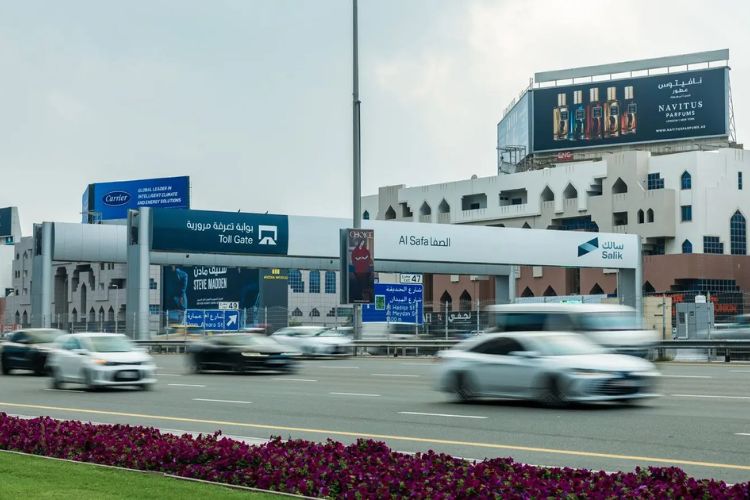
How Salik Charges Are Calculated
A few important details about Salik billing that drivers often overlook:
- Every crossing counts: You are charged each time you pass under a fully operational Salik gate, unless it occurs during the free window.
- No daily cap: There’s generally no daily maximum, so multiple crossings in one day add up.
- One-hour rule: At paired gates on the same road (e.g., Al Mamzar North & South, Al Safa North & South), if you pass both gates in the same direction within one hour, you are usually charged only once.
This rule helps travellers who navigate through closely spaced gates along key corridors.
Fines and Penalties
Failing to maintain a Salik account or tag can result in fines:
- Insufficient balance: If you pass a gate with insufficient funds, you have a grace period to recharge, but if you fail to do so, you may be fined.
- No registered tag: Driving through Salik gates without a valid tag after the grace period can lead to escalating fines per offence.
Authorities automatically enforce these fines based on plate number and tag registration, so keeping your account active and up to date is crucial.
How to Avoid or Reduce Salik Charges
If you’re a visitor or commuter trying to manage toll expenses:
- Plan timing: Try to travel during free or off-peak hours (late night/early morning or midday).
- Route planning: Consider alternative routes such as Al Khail Road, Emirates Road, or Sheikh Mohammed bin Zayed Road, which typically do not have Salik gates.
- Review apps before driving: Navigation apps often indicate toll routes, but double-check, as they don’t always show every Salik gate.
- Avoid unnecessary back-and-forth: Each crossing counts, so consolidating errands can reduce total charges.
For visitors unfamiliar with Dubai’s road network, understanding where Salik gates are placed and when charges apply is a simple way to avoid unexpected deductions on rental car bills.
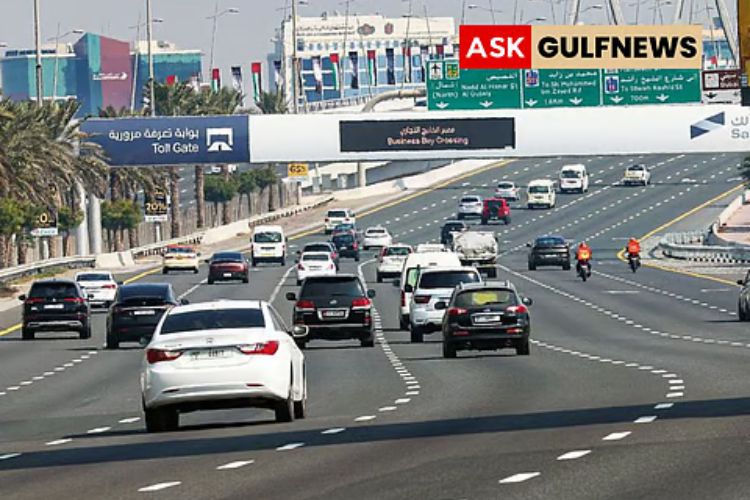
Practical Tips for Tourists
Tourists who rent cars in Dubai often learn about Salik only when they log in to the rental portal or receive an SMS alert after a toll deduction. Here is salik dubai guide with a few tips:
- Ask your rental provider about Salik: Many rental companies automatically bill Salik charges (plus administrative fees) at the end of your rental period.
- Check Salik balance and routes daily: Look up route options in your navigation app to see if they show toll avoidance options.
- Understand peak pricing: Since variable toll pricing was introduced in 2026, peak-hour tolls are higher, particularly affecting airport runs and commutes between 6–10 am and 4–8 pm.
If your driving takes you beyond central Dubai into Sharjah, Abu Dhabi, or Fujairah, it’s helpful to research whether similar systems are in place in those emirates as well.
Final Thoughts
Salik is a well-designed electronic toll system that keeps traffic flowing while providing revenue for infrastructure. For residents and long-term drivers, it’s a familiar part of daily commuting. For tourists and short-term visitors, inadvertently flying through toll gates can be an unwelcome surprise, especially with variable pricing introduced in 2026, which changes fees based on time of day. By understanding the Salik Dubai guide, Salik toll locations, Salik charges, and how Salik works in Dubai, you can budget accurately, plan your routes, and avoid unexpected charges on your account.
With proper planning and awareness of the system, driving in Dubai becomes not only manageable but also more predictable in your travel and daily life.