
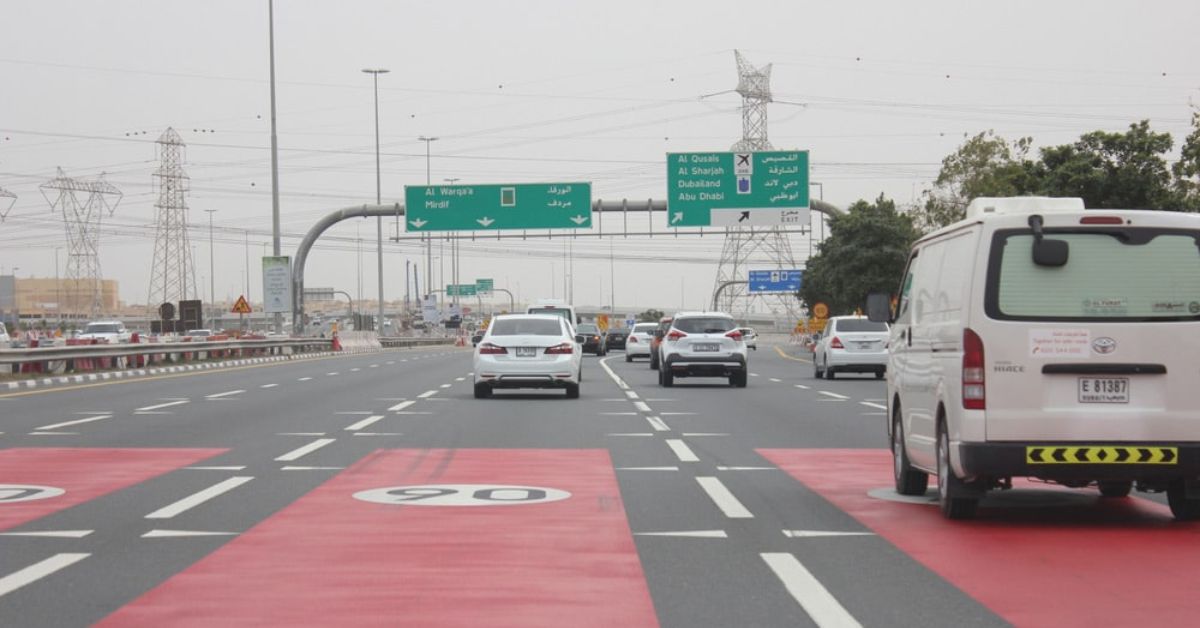
Dubai is known for its smooth highways, modern infrastructure, and strict traffic enforcement. If you’re driving in the city, whether as a tourist, expat, or resident, understanding speed limits in Dubai and how speed cameras work is essential to avoid fines and drive safely.
The emirate enforces traffic laws rigorously, using an extensive network of radar cameras, smart monitoring systems, and clear signage. This guide explains Dubai’s speed limits by road type, how the speed buffer works, where cameras are usually located, and what drivers should realistically expect on the road.
Speed Limits in Dubai: Quick Overview
Speed limits in Dubai vary by road type and location. All limits are clearly marked, and exceeding them, even slightly, can result in fines.
Here’s a general breakdown:
- Residential areas: 25–40 km/h
- Service roads: 40–60 km/h
- Urban main roads: 60–80 km/h
- Major city roads: 80–90 km/h
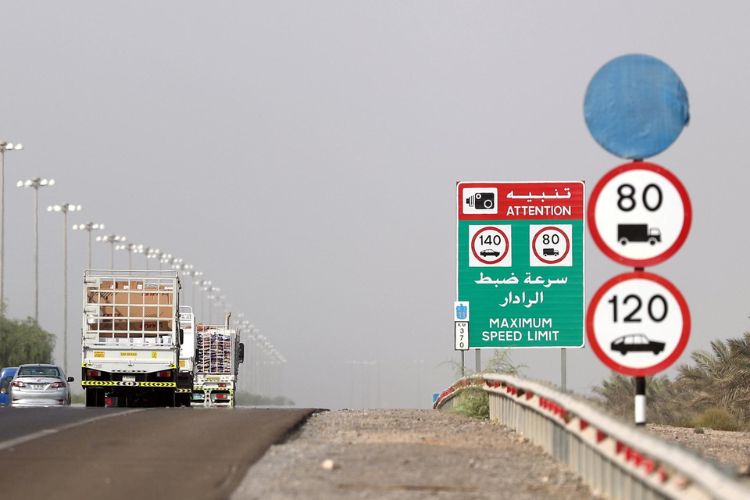
- Highways: 100–120 km/h
Most highways allow higher speeds, but limits can change suddenly near exits, construction zones, or residential developments.
Highway Speed Limits in Dubai
Dubai’s highways are wide, well-maintained, and designed for fast traffic flow. Common speed limits include:
- Sheikh Zayed Road: 100 km/h (with buffer applied)
- Al Khail Road: 100–110 km/h
- Mohammed Bin Zayed Road: 110–120 km/h
- Emirates Road: 110–120 km/h
Even on highways, speed can drop temporarily due to traffic congestion, weather conditions, or roadworks. Always watch overhead electronic signs.
Urban and City Road Speed Limits
Within the city, speed limits are lower and more closely monitored.
Typical limits include:
- Downtown and business districts: 60–80 km/h
- Commercial areas: 60 km/h
- Residential neighborhoods: 25–40 km/h
- School zones: Reduced limits during school hours
Driving above posted limits in these areas is one of the most common causes of fines.
Understanding the Speed Buffer in Dubai
One unique feature of Dubai traffic enforcement is the speed buffer.
On most roads, drivers are allowed to exceed the posted speed limit by 20 km/h before a radar fine is issued. For example:
- If the speed limit is 100 km/h, fines usually begin at 121 km/h
- If the limit is 80 km/h, enforcement starts at 101 km/h
This speed buffer in Dubai applies to most roads, but there are important exceptions.
Roads With No Speed Buffer
Some roads enforce the exact posted limit with zero tolerance, especially:
- School zones
- Residential streets
- Temporary construction areas
- Certain newly developed roads
These areas are clearly marked, and cameras activate immediately once the limit is exceeded.
Dubai Speed Camera System Explained
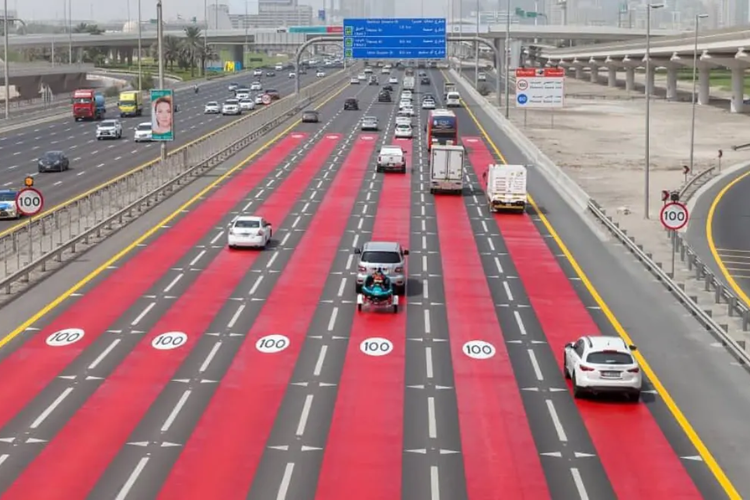
Dubai operates one of the most advanced traffic monitoring systems in the region. Speed cameras are active 24/7, regardless of traffic or time of day.
Types of Cameras Used
- Fixed roadside radars
- Overhead gantry cameras
- Mobile radar units
- Smart AI-enabled cameras
These systems detect:
- Speeding
- Tailgating
- Sudden lane changes
- Red-light violations
Dubai Speed Camera Map: Where Are Radars Located?
While there is no official public Dubai speed camera map, radar locations are fairly predictable.
Speed cameras are commonly found:
- On highways and expressways
- Near intersections and junctions
- At tunnel entrances and exits
- Close to residential areas
- Before and after speed limit changes
New radar locations are frequently added, and mobile cameras can appear without notice.
Navigation apps often display approximate radar locations, but they should never replace attention to road signs.
Radar Locations: What Drivers Should Know
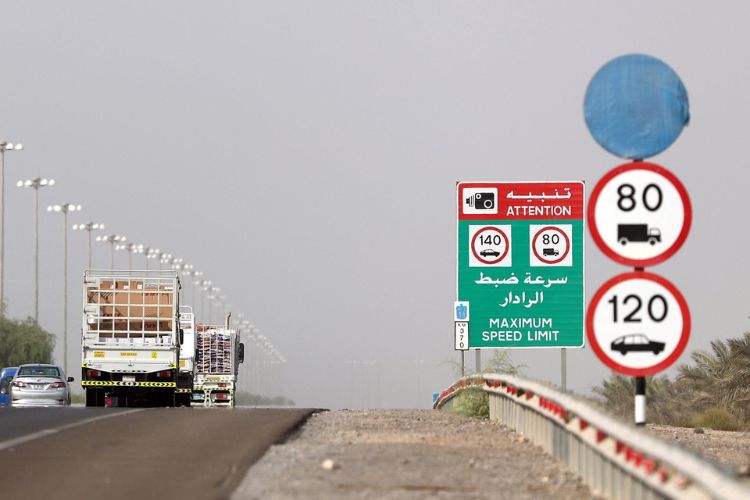
Radar placement is strategic rather than random. Cameras are usually installed:
- Where speeding accidents have occurred
- Near merging lanes and exits
- In areas with sudden speed reductions
- On long straight stretches where drivers tend to accelerate
Importantly, Dubai does not require warning signs before every camera. Some radars are clearly visible; others are discreet.
Fines and Penalties for Speeding
Speeding fines increase progressively based on how much you exceed the limit.
Common penalties include:
- Monetary fines
- Black points on your license
- Vehicle impoundment (for extreme speeding)
Serious violations, such as driving well above the posted speed limit, can result in heavy fines and temporary vehicle confiscation.
Tips to Avoid Speeding Fines in Dubai
- Always follow posted speed signs, not assumptions
- Watch for sudden speed drops near exits
- Slow down in residential and school zones
- Use cruise control on highways when possible
- Don’t rely solely on the speed buffer
Driving defensively and predictably is the best way to stay fine-free.
Final Thoughts
Dubai’s traffic system prioritizes safety, efficiency, and discipline. Understanding speed limits in Dubai, how the speed buffer works, and where radar locations are commonly located can help you avoid unnecessary fines and stress.
The rules are clear, enforcement is consistent, and signage is excellent. If you respect posted limits and stay alert, driving in Dubai is smooth, fast, and surprisingly straightforward, even for first-time visitors.